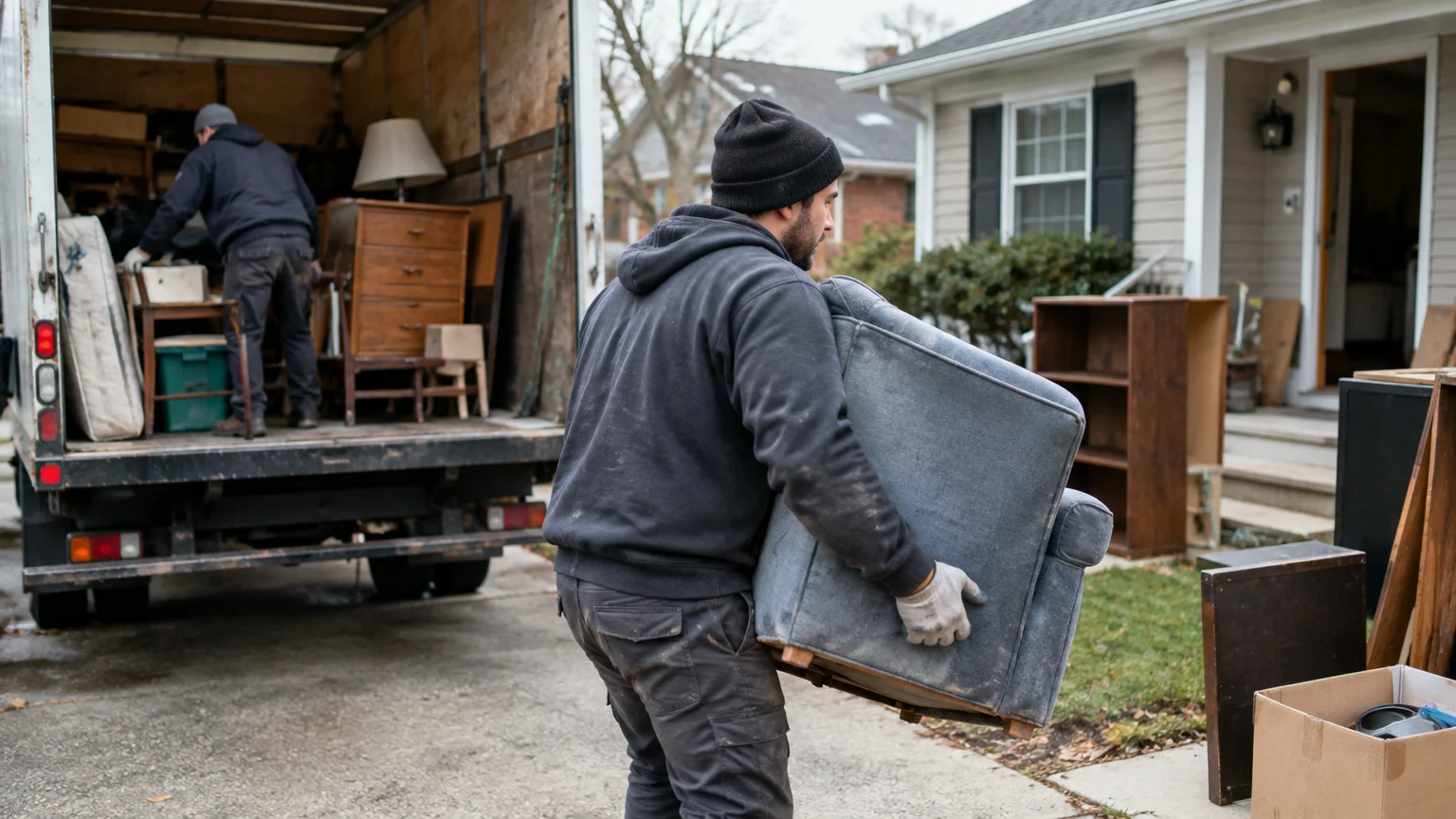
A professional foreclosure cleanout service helps when a property has too much debris, heavy furniture, unsafe waste, or a short deadline. The crew can sort approved items, remove junk, and clear rooms for inspection, repairs, or listing. This guide explains eight signs that DIY work may no longer be safe or practical.
In Santa Fe, a clear plan can help keep a foreclosure cleanout organized from the start.
What Are the First Signs a Foreclosed Property Needs Professional Cleaning?
A foreclosed property may need expert help when the work is too large for one person or a small team. Furniture, broken appliances, old carpet, boxes, and yard debris can block rooms and paths. These signs often show that a basic pickup will not solve the whole problem.
A small amount of safe clutter may not need a professional. An owner or manager can sweep floors, wipe surfaces, sort light items, and use approved waste containers. Heavy lifting, many trips, and large piles call for a professional junk removal service.
Is the property filled with too much furniture or debris?
Large furniture can block doors, stairs, halls, and utility spaces. Mattresses, cabinets, washers, dryers, and other appliances may need careful handling. A trained crew has the workers and tools needed to move these items more safely.
Common warning signs include:
- Rooms that cannot be checked because furniture blocks access
- Garages, basements, or attics filled from floor to ceiling
- Broken appliances or fixtures left inside the home
- Debris spread across driveways, porches, or yards
- Several loads of material waiting for removal
Are belongings making it hard to decide what stays?
Foreclosed homes may contain papers, photos, tools, furniture, or items with unclear ownership. The owner or manager should decide what must be saved. A cleanout crew can follow those rules and place approved items in a selected area.
Santa Fe NM Junk Removal can help property owners plan around sorting, access, and removal needs. Clear directions before the crew arrives can prevent delays. They also help protect items that should not be discarded before inspection or repairs.
When Do Safety and Property Conditions Require Expert Cleanout Help?
Safety concerns are another strong reason to hire a professional. A foreclosure cleanout may include sharp metal, broken glass, unstable piles, spoiled waste, pests, mold-like growth, or unknown chemicals. These conditions should not be handled by someone without proper care and protective gear.
An owner or manager may handle light cleaning when the area is dry, stable, and free of unsafe items. They can sort visible belongings, remove small amounts of normal trash, and sweep open floors. Work should stop when the contents or building may cause harm.
Are there hazardous materials or structural concerns?
Some materials need special handling or a licensed provider. These may include asbestos materials, lead paint debris, leaking chemicals, medical waste, propane tanks, or large amounts of spoiled food. A cleanout crew should not guess how these items should be managed.
Structural concerns also need attention. Sagging ceilings, weak floors, exposed wires, broken stairs, and standing water can make a home unsafe. Severe pest activity may also need special help. An inspection or repair may be needed before removal can continue.
A professional cleanout team removes ordinary household junk, but it does not replace a licensed hazardous-material contractor, electrician, plumber, or building inspector. Share known risks before scheduling work. This helps the provider decide what it can safely handle.
Does the home show signs of hoarding, neglect, or damage?
A hoarding situation is a home with an unsafe buildup of belongings. The buildup limits the normal use of rooms or paths. It may also cause strong odors, pests, sanitation problems, or hidden damage.
Hoarding cleanup is not the same as a quick junk pickup. Workers may need to move through narrow paths and protect items marked for review. In serious cases, cleaning, pest control, repairs, or special sanitation may be needed after removal.
For a property Santa Fe NM Junk Removal can help plan a careful removal job. The work should stay calm and respectful. The goal is a safer space, not rushed handling of personal belongings.
How Can a Professional Cleanout Service Keep a Foreclosure Moving Forward?
A cleanout service can help keep a foreclosure on track. It can clear obstacles before an inspection, repair visit, or listing. Delays may happen when furniture blocks damaged areas or debris hides floor problems.
Timing depends on the property size, item volume, access, weather, and safety issues. The provider should review the site and explain what it can handle. The owner or manager should also confirm entry rules and any deadlines.
Does the property need to be cleared before repairs or listing?
Repair teams need access to walls, floors, windows, utility areas, and outdoor spaces. Realtors, inspectors, appraisers, and buyers also need a clear view of the property. Removing loose contents can make the next step easier, but it does not repair damage or ensure a sale.
A house cleanout service may remove furniture, household junk, yard waste, and selected appliances. Appliance removal may need extra care because some units contain fluids or parts. Ask what the provider accepts and how special items are handled.
Are repeated hauling trips delaying the next stage?
Many trips can slow property turnover, especially when the site has mixed debris. A professional junk removal crew can review the full job. It can group tasks by room, material, and access point.
Good planning includes a work list, clear access directions, and a place for items that must remain. It also helps to note locked rooms, narrow drives, stairs, parking limits, and materials needing separate handling. These details support a smoother cleanout without promising a result before review.
What Should You Expect From a Professional Foreclosure Cleanout Service?
A professional foreclosure cleanout service should explain the work before removal starts. The process often includes sorting, carrying, loading, hauling, and light final cleanup. The exact work depends on the home, the material, and the owner’s instructions.
A reliable provider should use plain language. The customer should know which areas are included, what must stay, how access will work, and which materials need another service. Clear details help prevent unwanted removal and missed spaces.
What does a full cleanout usually include?
A full cleanout may include furniture removal, appliance hauling, garage cleanout work, basement clearing, attic removal, and outdoor debris pickup. It may also include light sweeping after large items are gone. Deep sanitation, demolition, repairs, or specialty cleanup may fall outside the planned service.
The process commonly follows these steps:
- Review the property, access points, safety concerns, and removal goals.
- Mark items that must stay, be saved, or receive separate handling.
- Sort and carry approved materials from rooms, garages, yards, or outbuildings.
- Load and haul materials under the provider’s accepted-item rules.
- Sweep open areas and review the finished work with the customer.
How should a property owner prepare for the crew?
The owner or manager should secure papers, confirm access, and mark items that must not leave. Discuss utilities, parking, gate codes, and locked rooms in advance. Photos may also help explain the property when an early visit is not possible.
A professional provider should not claim to remove every item without reviewing the site. Some materials may need a specialty contractor, local disposal program, or separate cleanup team. Clear expectations help the result match the next stage of the property.
Key takeaways
- Heavy debris, blocked rooms, and repeated trips may signal a need for expert help.
- Hazardous materials, weak structures, and sanitation issues need extra care.
- A cleanout can prepare a foreclosure for inspection, repairs, turnover, or listing.
- Owners should mark saved items and explain access rules before work begins.
- The service scope should be confirmed after the property and materials are reviewed.
Frequently Asked Questions
What is a foreclosure cleanout service?
A foreclosure cleanout service removes unwanted contents and debris from a repossessed or abandoned property. Work may include sorting, furniture removal, appliance hauling, garage clearing, yard debris removal, and light sweeping. The provider follows the owner’s directions and explains when hazardous materials need another professional.
How do you get rid of a refrigerator or other appliance?
Use a provider that accepts the appliance and follows local disposal rules. The item may need preparation before hauling. Do not leave appliances in an alley or beside normal trash without checking local rules. A professional crew can explain the next safe step.
Can a homeowner clean out a foreclosed house alone?
A homeowner or manager may handle light sorting, sweeping, and small amounts of safe waste. Professional help is better when the home has heavy furniture, many loads, blocked paths, unsafe materials, or a short deadline. Stop work if the building or contents create a safety risk.
How quickly can a foreclosure cleanout be completed?
The timeline depends on property size, item volume, access, weather, safety concerns, and material type. A small cleanout may be simple, while a whole house cleanout or hoarding cleanup needs more planning. The provider can give a clearer schedule after reviewing the property and work scope.
Conclusion
A foreclosed property is ready for its next stage when rooms, paths, and work areas are clear and safe. The signs above can help owners decide when a small cleanup is no longer practical. Santa Fe NM Junk Removal helps property owners and managers with organized removal support.
Santa Fe property owners can Contact us to discuss a foreclosure cleanout plan.
If you are not sure what you are dealing with, it is worth having someone look at it before it turns into a bigger job. Get in touch with Santa Fe NM Junk Removal today and we will tell you where you stand.