A professional warehouse cleanup service helps when clutter, broken materials, or old equipment make work areas unsafe or hard to use. The right crew can remove pallets, shelving, packaging, appliances, and bulk debris. This gives Santa Fe business owners and property managers a clearer space without pulling workers away from daily tasks.
Warehouse clutter often grows slowly. A few damaged pallets may sit near a loading door. Old fixtures may collect behind shelves. Soon, workers walk around junk, deliveries take longer, and useful space disappears. These signs can help you know when outside help is the right choice.
Table of Contents
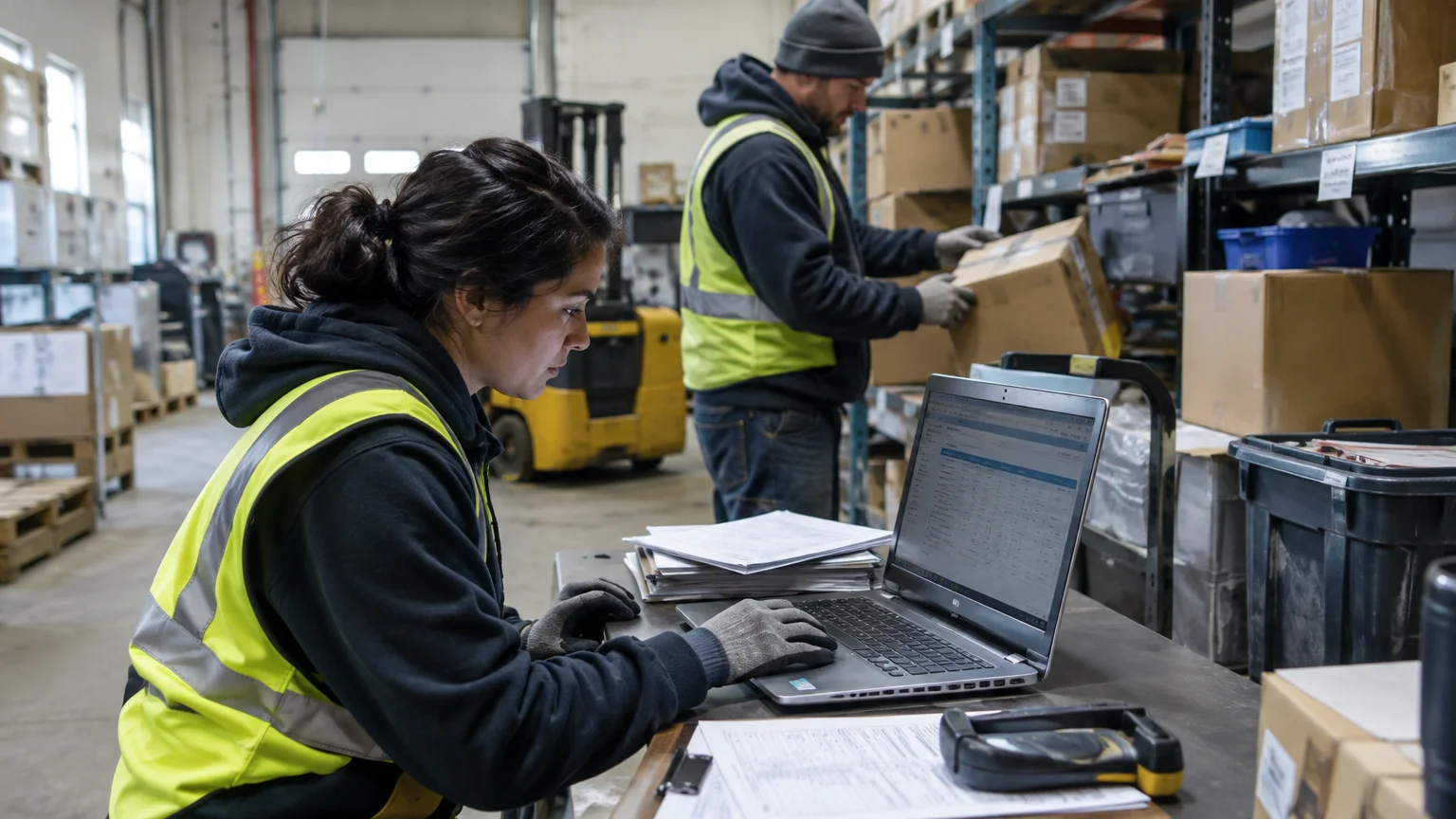
- What Does a Professional Warehouse Cleanup Service Handle?
- Are Cluttered Aisles and Blocked Access Routes Putting Operations at Risk?
- Has Unused Inventory or Equipment Taken Over Valuable Space?
- Are Broken Pallets, Shelving, or Fixtures Creating Hazards?
- Is Warehouse Debris Slowing Down Employees and Deliveries?
- Are You Facing a Move, Renovation, Closure, or Property Turnover?
- How Can You Decide Whether It Is Time to Hire a Professional Cleanup Crew?
- Key Takeaways
- Frequently Asked Questions
- Conclusion
What Does a Professional Warehouse Cleanup Service Handle?
A professional warehouse cleanup service removes unwanted items from commercial storage and work areas. This work is more than sweeping floors or emptying small bins. It may include sorting, lifting, loading, hauling, and basic cleanup after large items leave.
How does warehouse cleanup differ from routine janitorial work?
Routine janitorial work covers dust, spills, restrooms, and regular surface cleaning. Warehouse cleanup focuses on large items that need to leave the building. A crew may clear a storage area, loading zone, office corner, or whole facility.
This difference matters because regular cleaning staff may not have the tools, trucks, or time for bulky removal. Warehouse workers also should not take on heavy hauling when it takes them from their main duties. A planned cleanup keeps removal separate from daily work.
Which warehouse materials can be removed?
The list depends on the item, its condition, and local disposal rules. Common examples include:
- Broken or unwanted pallets
- Damaged shelving and display fixtures
- Cardboard, shrink wrap, and packing debris
- Old desks, chairs, and office furniture
- Unused appliances and large equipment
- Scrap materials and non-hazardous building debris
Businesses should identify hazardous materials before scheduling service. Chemicals, asbestos, medical waste, fuel, and some electronic items may need special handling. A cleanup crew can explain what it accepts and what needs another provider.
Santa Fe NM Junk Removal helps businesses plan commercial junk removal in a clear way. The team can review the materials, access points, and timing before removal starts.
Are Cluttered Aisles and Blocked Access Routes Putting Operations at Risk?
Yes. Cluttered aisles can make walking, stocking, picking, and emergency movement harder. Even a path that seems open may have loose wrap, leaning boxes, or damaged pallets that cause trips or sudden blocks.
How do pallets, packaging, and debris affect movement?
Pallets often collect near receiving areas after goods are unloaded. Packaging can spread across floors and under racks. Small piles may seem harmless, but they reduce room for carts and make floor hazards harder to see.
Blocked routes also force workers to take longer paths. This can slow picking and place more traffic near loading doors. A clear layout helps people move with fewer stops. It also makes it easier to see what belongs in storage and what should leave.
Managers can walk the facility during a normal shift and note problem areas. They should look for narrow aisles, items in walkways, blocked doors, and debris near equipment. Photos may help a cleanup crew understand the work before arrival.
When do blocked pathways create safety and compliance concerns?
A blocked exit, fire device, electrical panel, or equipment route needs quick attention. Businesses should follow their safety plan and workplace rules. The Occupational Safety and Health Administration provides federal workplace safety information for United States employers.
Professional removal helps when workers cannot clear the route safely with normal tools. It also helps when clutter is heavy, widespread, or mixed with sharp materials. A clear plan lowers the chance that someone moves an unsafe item without support.
Has Unused Inventory or Equipment Taken Over Valuable Space?
Unused inventory and equipment are clear signs that a warehouse needs a cleanup plan. Items that no longer support sales, shipping, or production can take space needed for active work. First, confirm what must stay, what may be reused, and what should leave.
How can a business identify items that no longer support operations?
Managers can review old stock records, equipment lists, and lease rules. They can mark damaged goods, old fixtures, duplicate tools, and items tied to a finished project. This review should include offices, break rooms, mezzanines, loading areas, and outdoor storage.
Old appliances may also need attention. A business may ask how to get rid of a fridge or how to dispose of appliances after a break room update. Refrigerators and other large appliances may need special recycling steps. They should not be left beside regular debris.
Some items may still have value. Reuse, resale, donation, or recycling may make sense before disposal. A crew can remove the items chosen by the business, while the manager keeps control of records and decisions.
How can reclaimed space improve organization?
Clear space gives teams more room to group goods by use, size, or shipping order. It may also create a better place for incoming stock. The benefit is not just an emptier floor. It is a warehouse that is easier to understand and care for.
Property owners can also gain a cleaner space before showing it to a new tenant. Santa Fe NM Junk Removal can help Santa Fe property managers prepare warehouses for their next use by removing items left after a business change.
Are Broken Pallets, Shelving, or Fixtures Creating Hazards?
Broken pallets, bent shelving, and loose fixtures should not stay in active work areas. Damaged materials can snag clothing, fall, splinter, or make loads unstable. Saving them for later can turn a small problem into a larger pile.
What risks come from damaged warehouse materials?
A cracked pallet may fail when moved. A bent shelf may not support its planned load. Sharp metal, broken glass, and exposed nails can hurt workers during normal handling. Even light debris can become dangerous when forklifts, carts, and people share one space.
Workers should not climb on unstable stacks or pull heavy items from unsafe places. Simple upkeep, such as placing cardboard in the right recycling area, may be safe for staff. Heavy, sharp, or awkward materials need a safer removal plan.
Managers should isolate damaged items when possible. They can mark the area, keep workers away, and avoid adding more materials to the pile. This step does not replace removal, but it can limit risk while the job is arranged.
Why is removal often safer than storage or repair?
Repair makes sense only when an item is still needed and can be fixed safely. If a pallet or fixture is no longer useful, keeping it creates another handling task. Removal takes the item out of the work area and makes the final condition easier to check.
A professional crew can bring proper equipment and load bulky items in a controlled way. The business should still report hazards before work begins. Chemicals, fuel, pressurized containers, and unknown substances should be identified first.
Is Warehouse Debris Slowing Down Employees and Deliveries?
Warehouse debris may slow work when employees spend time moving around clutter instead of handling orders. Delayed receiving, repeated restacking, and crowded loading zones are common warning signs. Cleanup can support smoother work, but it cannot replace good inventory control.
What signs show that clutter is affecting productivity?
Managers may notice workers asking where items belong, deliveries waiting for floor space, or carts taking longer routes. Other signs include repeated cleanup at the end of each shift, blocked dock areas, and goods kept in temporary places for too long.
A short observation can reveal patterns. A supervisor can note where workers stop, where pallets gather, and which areas need clearing more than once. This helps show whether the business needs a one-time cleanup or a better storage plan.
Digital records matter too. Businesses may need to clean up junk files in inventory systems when old stock lists no longer match the warehouse. Physical removal and record cleanup work best together because clear space is less useful when records remain confusing.
How can cleanup support receiving and shipping?
A clear receiving zone gives workers room to inspect and sort incoming goods. A clear shipping zone makes it easier to stage orders without blocking paths. Removing old debris can also help staff see floor marks, labels, and storage lines.
The goal is not to remove useful items. The goal is to remove what no longer belongs. After cleanup, managers can set simple rules for pallets, packaging, returns, and damaged goods. These rules help keep the same clutter from returning.
Are You Facing a Move, Renovation, Closure, or Property Turnover?
A warehouse move, renovation, closure, or property turnover is a clear reason to plan cleanup early. These changes often reveal old furniture, unused machinery, broken fixtures, and abandoned materials. Waiting until the last day can leave too much work for a short time.
What cleanup is needed during facility changes?
A move may require removal of items that will not fit at the new site. A renovation may require clearing walls, floors, storage bays, and work zones. A closure may involve separating business property from items that must leave the building.
Property managers may also need a cleanout after a tenant leaves. This can include office furniture, pallets, appliances, shelving, and general debris. Professional estate cleanout services are different, but some commercial properties need the same careful sorting and removal.
Before work starts, the responsible person should check the lease, ownership records, and disposal rules. Items owned by another company should not leave without approval. A simple written plan can prevent confusion.
How can a business prepare a warehouse for its next use?
The business should list the areas to clear, the items to keep, and any access limits. It should also share loading instructions, security rules, and timing needs. A crew can then plan the removal order instead of moving the same items more than once.
In some cases, a warehouse is being prepared for a new tenant. In others, the site may become a retail, production, or office space. Cleanup should match the next use. A clear and open facility is easier to inspect and hand over.
How Can You Decide Whether It Is Time to Hire a Professional Cleanup Crew?
A business should consider professional help when warehouse clutter is heavy, widespread, unsafe, or disrupting normal work. Staff can usually handle small amounts of cardboard and light packaging through normal routines. Larger jobs need planning, labor, loading equipment, and suitable hauling.
What should a business assess before scheduling warehouse cleanup?
A manager can review the material type, total area, item size, access points, and preferred timing. The manager should also note stairs, narrow doors, dock limits, security steps, and materials needing special handling. Clear details help the provider decide if the project fits its service.
A simple checklist can help:
- Mark items that must stay
- Separate reusable items from unwanted debris
- Identify heavy, sharp, electrical, or unknown materials
- Clear a safe path to the removal area
- Confirm who can approve removal decisions
- Plan around receiving, shipping, and staff schedules
The business should ask what the crew accepts and how items are handled after removal. It should also ask whether basic final cleanup is part of the planned work. The final cost is confirmed on a quote after the job details are reviewed. Each provider sets its own pricing.
What happens during planning, removal, and final cleanup?
Planning usually starts with a review of the materials and site conditions. The crew then removes approved items, loads them, and separates materials when suitable. The last step is checking the cleared area for loose debris and missed items.
Workers can handle simple checks and light cleanup when the area is safe. They should not move unstable stacks, heavy equipment, sharp metal, or unknown substances without proper training and tools. A professional crew helps when the job is too large or risky for normal staff.
Santa Fe NM Junk Removal serves businesses and property owners seeking commercial junk removal and nearby communities. Its team helps make the removal plan clear, so the warehouse can return to useful work sooner.
Key Takeaways
- A professional warehouse cleanup service handles bulky removal, not only routine sweeping.
- Blocked aisles, damaged pallets, and crowded docks are signs to act.
- Unused inventory and equipment can hide useful space.
- Moves, renovations, closures, and tenant changes need early planning.
- Staff can handle light upkeep, but heavy or unsafe removal needs trained help.
Frequently Asked Questions
What is a warehouse cleanout service?
A warehouse cleanout service removes unwanted items from a commercial facility. It may handle pallets, shelving, furniture, packaging, appliances, fixtures, and non-hazardous debris. The provider reviews the materials and access conditions first. The business decides what stays, while the crew handles approved removal and basic final cleanup.
How should a business dispose of an old refrigerator?
A business should not place an old refrigerator with regular trash unless local rules allow it. Refrigerators may contain parts that need special recovery or recycling. The business should check the provider’s accepted-item list and share appliance details before scheduling. Safe handling also helps prevent damage to doors, floors, and loading areas.
What happens to old appliances after removal?
Old appliances may be reused, recycled, handled through a specialty program, or disposed of under local rules. The result depends on the item’s condition and materials. A business should ask how the provider handles appliances before work begins. Some equipment may need a specialist because of refrigerants, electronics, or other parts.
Can employees clean a warehouse without professional help?
Yes, employees can handle light sorting, sweeping, cardboard removal, and simple organization when the work is safe. They should not move unstable stacks, heavy machinery, sharp debris, or unknown substances without proper support. Professional help makes more sense when clutter affects access, takes workers from key duties, or creates a safety concern.
What does a professional junk removal service need to know?
The provider usually needs the warehouse location, material types, item sizes, access details, and timing needs. Photos or a site review may help explain the work. The business should mention appliances, electrical items, chemicals, fuel, sharp materials, and anything needing special handling before the crew arrives.
Conclusion
Warehouse clutter can affect safety, space, employee time, and property turnover. A few damaged pallets may be manageable, but growing piles and blocked routes need a clear plan. Santa Fe NM Junk Removal can help business owners and property managers review removal needs and prepare the space for its next purpose. Contact us to plan warehouse cleanup.